Fuse Board & Consumer Units for Homeowners
Fuse Board & Consumer Units for Homeowners in Exeter
Compare written fuse board & consumer units proposals for homeowners in Exeter against the same brief, schedule, and exclusions.
Fuse Board & Consumer Units for Homeowners
Tell us about your commercial electrical requirements to receive an estimate.
fuse board & consumer units for homeowners
A new consumer unit in a home has to meet current wiring regulations. Units in domestic premises must now be in a non-combustible enclosure, usually steel, or housed in a non-combustible cabinet. Most circuits need 30mA residual current protection, and many electricians now fit RCBOs, which protect each circuit individually so a fault on one circuit does not switch off several others. Surge protection is generally required under the current edition of BS 7671, and arc fault detection devices are recommended in some types of residential building.
Before fitting the new unit, the electrician should test the existing circuits. Old wiring can have insulation faults or shared neutrals that went unnoticed with fuses but will trip an RCD immediately. If testing finds problems, they need fixing before the new unit will work properly, which may add cost. The electrician should also check the main earthing and the protective bonding to gas and water pipes, which often needs upgrading in older homes.
Expect the power to be off for most of the day. Plan for fridge and freezer contents, home working, medical equipment, alarms and heating controls, and tell the electrician about any equipment that must be restarted in a particular way. Clear access to the consumer unit and meter before the electrician arrives. The main fuse and meter belong to the network operator and the energy supplier, so if an isolator switch is needed or the meter tails are too short, that may have to be arranged separately.
Consumer unit replacement counts as notifiable electrical work in England, so a registered electrician will notify it through their competent person scheme, and you should receive a building regulations compliance certificate as well as an Electrical Installation Certificate with test results for each circuit. Buyers' solicitors routinely ask for both, so keep them with your property documents. The circuit chart inside the unit should be labelled clearly, so you know which breaker controls what.
Think ahead while the work is being planned. A unit with spare ways makes it easier to add a chargepoint, garden supply or battery storage later, and a larger main fuse may be worth discussing with the network operator if you expect to add a heat pump. If the house is due for a rewire, it may make more sense to replace the unit as part of that job rather than doing it twice.
A clear quote from the electricians you are introduced to names the make and type of unit proposed, says whether RCBOs and surge protection are allowed for, explains what happens if existing faults are found, prices any bonding upgrades, and confirms that notification and certificates are part of the price. Ask how long the power will be off so you can plan the day.
Before You Compare
Homeowners fuse board & consumer units quote planning
Use the same audience-specific brief from first enquiry through comparison and final confirmation, so assumptions about fuse board & consumer units stay visible.
Designed for Homeowners
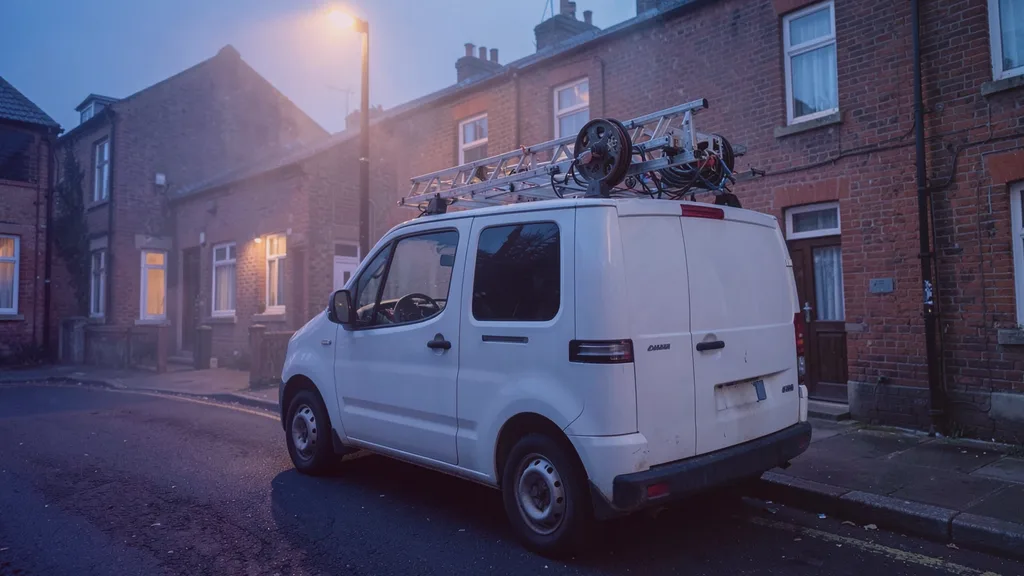
These images illustrate relevant service categories. They are not presented as completed projects by this website or by a matched provider.
Explore the available service guides
Services by requirement
Mandatory 5-year EICR certifications, remedial repairs, and HMO compliance.
Planned maintenance, office floor-box setups, and emergency lighting certifications.
Fast 7kW home charging point installations with dedicated safety surge protection.
First-fix and second-fix electrical installations for extensions and new builds.