Salt air and damp: electrics in coastal Exeter homes
Damp air and salt spray are hard on electrical fittings. Metal corrodes, insulation can deteriorate faster, and enclosures that were adequate indoors may let moisture in once they are exposed to a humid or salt-laden environment. Owners of homes near the coast, and of any property where the air is regularly damp, should think about electrics differently from owners of a dry, sheltered house. This guide explains how moisture and salt affect fittings and cables, which types of fitting are suitable for damp locations, why bathrooms and outdoor points need particular care and how often an installation in a damp environment should be checked.
IP-rated fittings
The degree of protection a fitting offers against dust and water is shown by its IP rating. The first digit describes protection against solid objects and dust, and the second describes protection against water. A fitting with a higher second digit is better protected against water jets and immersion, and a fitting rated for the zone in which it is installed will resist moisture better than an ordinary indoor fitting. Choosing the right rating is part of the design, and an electrician should specify fittings that suit the location rather than the lowest-cost option available.
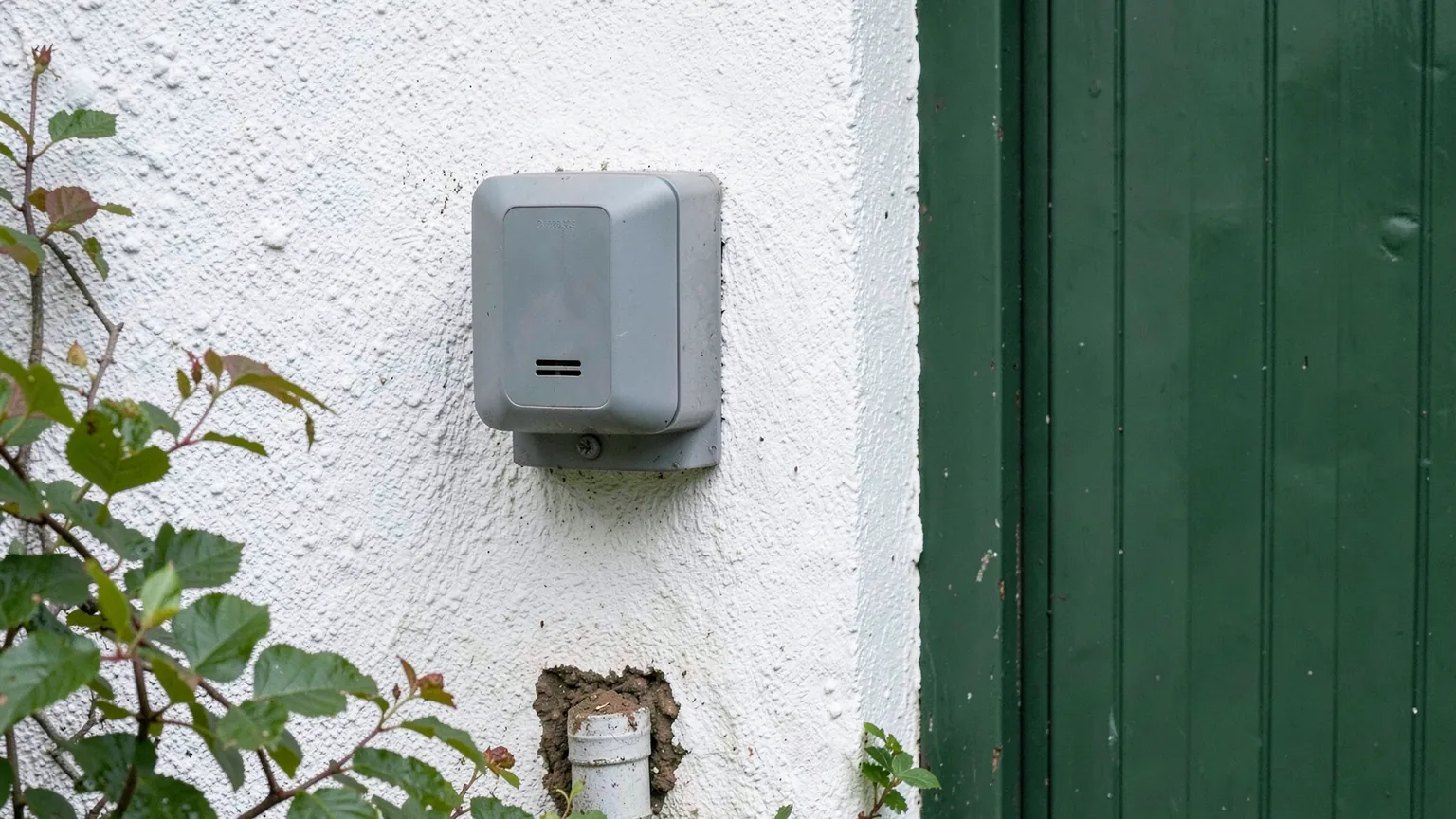
Outdoor sockets, external lights and fittings in unheated spaces such as sheds and porches should carry a suitable rating and be fitted in an enclosure that keeps water away from the connections. Check the rating on the product and ask the electrician to confirm that it is appropriate for the environment. The standard that governs installations in wet or damp locations is BS 7671, the Requirements for Electrical Installations. The IET's page on the wiring regulations describes the standard and its scope, and an electrician working on a damp location will refer to the parts of it that deal with those environments.
Corrosion of metalwork
Salt is one of the most aggressive agents for metal. Salt spray can settle on exposed metal boxes, cable clips, screw heads and earth connections, and it accelerates corrosion. Corroded earth connections are a particular concern, because the earth path is what allows a fault to be carried safely away. A connection that has corroded to the point of high resistance may not function as intended when a fault occurs. Inspectors look for corrosion on accessible earth points and on metal enclosures, and they record any they find.
Corrosion can also affect the mechanical strength of fixings and the security of cable glands. A metal box that has rusted through may no longer protect the connections inside it. Where corrosion is found, the repair is usually replacement of the affected components rather than cleaning. Ask the electrician to specify materials that resist corrosion in the location, such as stainless steel or suitably coated metal fittings.
Outdoor and external metalwork benefits from regular attention. Wipe down exposed metal with fresh water where salt is likely to build up, and look for signs of rust around screws and enclosures. Do not treat these checks as a substitute for an inspection, but they show whether conditions are changing over time.
Damp rooms and bathrooms
Bathrooms, utility rooms and kitchens are the damp rooms of most homes. The electrical rules for these areas restrict where fittings can be placed and what protection they need. Sockets are generally kept away from bathtubs and showers, and lighting in wet areas must have a suitable rating. Supplementary bonding may be required in some locations. An electrician will know these requirements, and the design of the installation should reflect them.
Condensation is a common problem in damp homes. Moisture can build up inside enclosures and fittings in cold rooms, and it can leave deposits that conduct electricity. Ventilation, dehumidification where needed and the removal of standing water all reduce the risk. Ask the electrician to inspect fittings in these rooms more closely than others, and to note any evidence of moisture ingress in the report.
Where a room has been damp for a long time, the plaster and the timber behind it may also be affected. Electrical cables inside damp walls can deteriorate, and the damp can work its way into junction boxes. If you notice staining or peeling paint around a socket or a switch, ask for it to be checked rather than waiting for a failure.
Regular testing
Installations in damp or salt-laden environments should be tested more often than those in dry, sheltered homes. The right interval depends on the condition of the installation and the exposure of the location, and an inspector can recommend one after the first report. The inspection will test insulation resistance and earth continuity, and it will look at the condition of fittings and enclosures. Results that drift over time indicate a developing problem before it becomes a fault.
The HSE's leaflet Electrical safety and you explains that risk assessment is the basis for deciding how often equipment and installations should be checked. A risk assessment for a coastal or damp property should consider the location, the age of the installation, the fittings in use and the way the building is used. A written record of that assessment makes it easier to plan the inspection programme.
Electrical Safety First publishes guidance on electrical safety at home that is useful background for these checks. Between inspections, look for simple warning signs: a fitting that is discoloured, a socket that feels damp, a switch that is stiff or corroded, or a breaker that trips without a clear cause. Any of these is reason to ask an electrician to look at the affected part of the installation.
Outdoor points and cable runs
Outdoor cables and sockets face the most exposure. Cable that is not designed for outdoor use can deteriorate under sunlight, moisture and temperature change, and it can be damaged by weather and wildlife. Armoured cable buried in the ground, or run in suitable conduit, is the usual approach for garden supplies. The depth and protection of the cable should follow the standard, and the outdoor circuit should be protected by an RCD.
Junction boxes, isolators and external sockets should be mounted so that water runs away from the connections. A box mounted in a hollow where water collects is a poor location. Where a cable enters a building from outside, the entry point should be sealed to keep damp and insects out, and the cable should be supported so that it does not sag and collect water.
Outdoor installations should also be checked after severe weather. A storm, a flood or a period of heavy salt spray can affect fittings that appeared sound before. An inspection after such an event is a sensible precaution, particularly if the installation has not been inspected recently.
Planning the work in a damp home
For a home in Exeter in a damp or salt-laden location, the practical plan has four parts. Choose fittings with a suitable IP rating and specify corrosion-resistant materials. Pay special attention to bathrooms, utility rooms and outdoor points. Test the installation at an interval the inspector recommends, and record any signs of moisture or corrosion. And keep the records together so that trends can be seen over time.
If you are planning a new installation or an upgrade, ask the electrician to explain how the design deals with the location. A good answer describes the fittings, the cable routes and the protection in terms of the environment, and it names the standard being followed. The consumer unit upgrade service covers the protection and the board, and the commercial electrical service page covers the wider scope for non-domestic premises.
Getting a quote and next steps
If you have concerns about an existing installation in a damp or coastal home, the first step is an inspection. An inspector can identify corrosion, moisture ingress and signs of deterioration, and the report will record the codes for each observation. The guide on what a condition report tells you explains how to read the outcome.
Homeowners who want an assessment can use the get a quote page to request a survey and a costed plan for any work the inspector recommends. Ask each provider to explain how they would address the damp and corrosion risks in the design, and to say how often they would recommend the installation be tested. The homeowner page sets out the wider considerations for keeping a house safe.
Damp and salt air are slow-acting risks, which is why they are easy to overlook. Landlords with damp lets should also read the guide on landlord electrical safety rules for Exeter lettings, which sets out the inspection duties that apply to rented homes. A planned inspection and a few sensible choices in the design of the installation go a long way towards keeping it safe over many years.
Sources and further reading
- BS 7671 - 18th Edition: The IET Wiring Regulations (Institution of Engineering and Technology)
- Electrical safety and you: a brief guide (INDG231) (Health and Safety Executive)
- Electrical safety advice (Electrical Safety First)